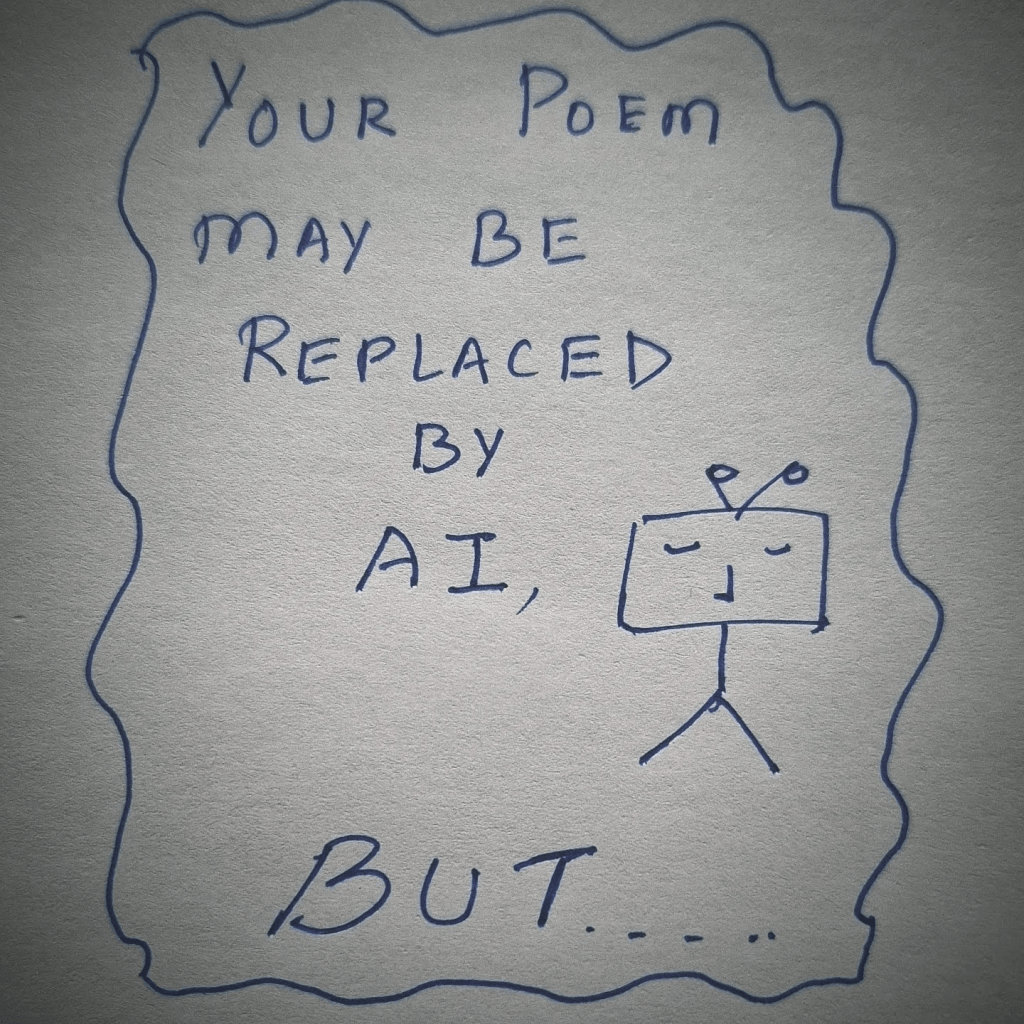
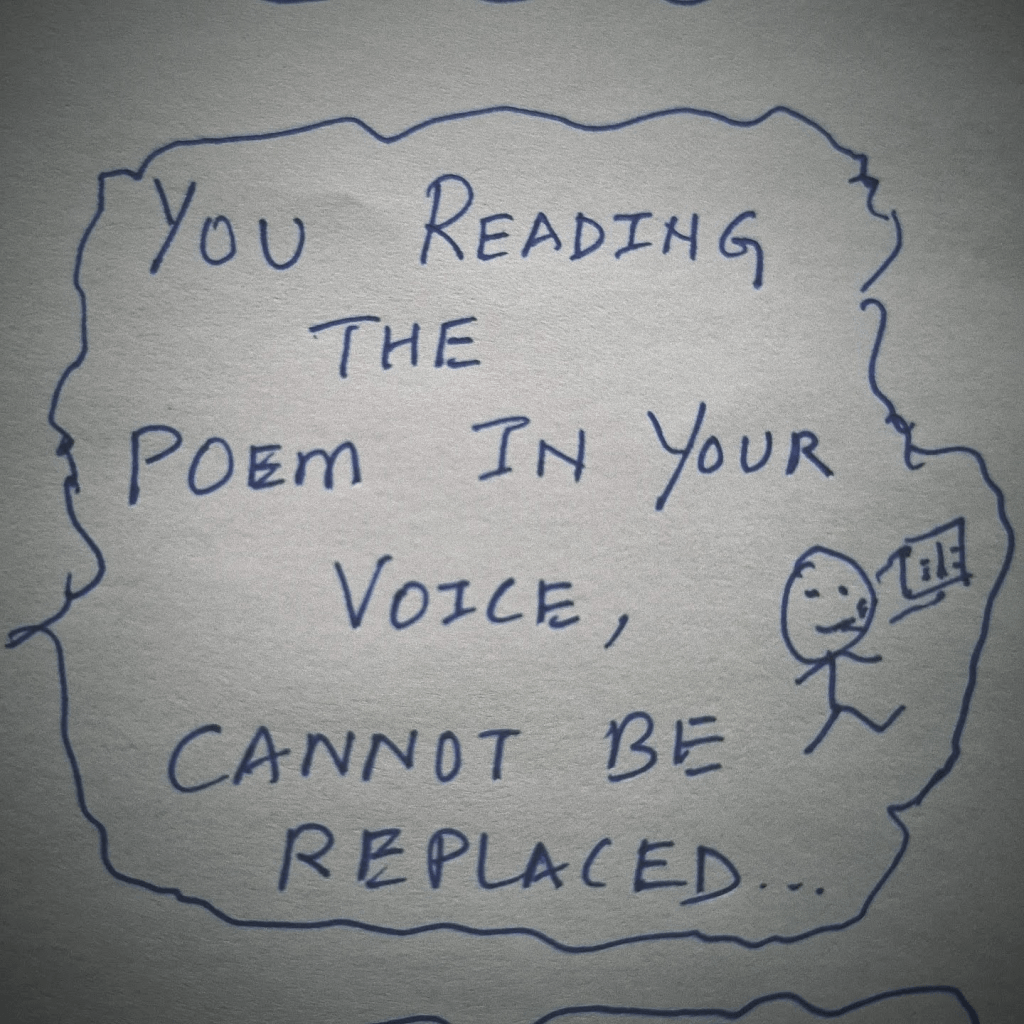
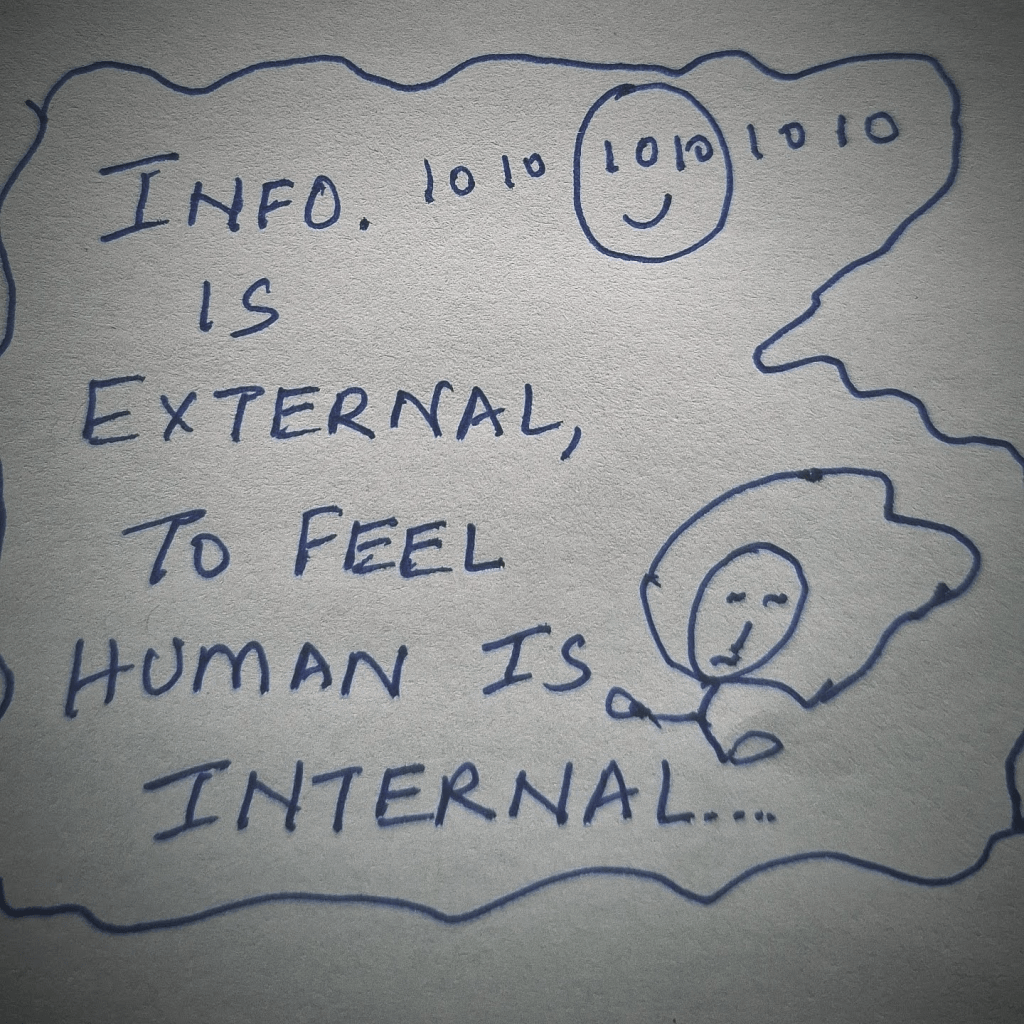
Read it out loud…in the age of AI..
Your voice is part of who you are..
#philosophy of #reading in this age…
Read it out loud…in the age of AI..
Your voice is part of who you are..
#philosophy of #reading in this age…
One of the books that I have enjoyed reading over the years is The Mahatma and The Poet – Letters and Debates between Gandhi and Tagore 1915-1941’ compiled and edited by Sabyasachi Bhattacharya. The theme of the book is centered around the intellectual exchanges between M.K. Gandhi and Rabindranath Tagore on a variety of topics, including education, scientific outlook, philosophy and human dignity. Sabyasachi introduces the book with an overview of letters and debates and emphasizes that ‘The intellectual quality of the dialogue between Mahatma Gandhi and Rabindranath Tagore is such that it possesses an enduring interest. In these pages, I have tried to situate their debates, in private letters and in public statements, in the historical context of India’s national life and the cultural and political discourse of those times.’(page 20)

The book has a rich intellectual texture and showcases two minds that are open to ideas and not hesitant to express them. As Sabyasachi mentions that:‘…. the differences between them were real and at the same time they shared a common highground above the terrain of differences. Despite their differences on many crucial questions, they were willing to learn from each other.’(page 34) It shows what two engaging minds can reveal not only about themselves, but also about the place and time in which they live and operate. In there, we learn something that was a hallmark of Gandhi’s life: he was open to criticism and changed his mind in the light of evolving times and thoughts, as Sabyasachi indicates with an example:
‘Gandhi was equally open to candid criticism. It is possible that in some respects his outlook evolved, in response to the debates with Tagore. Consider, for instance, his: approach in Hind Swaraj: “I believe that the civilization India has evolved is not to be beaten in the world. Nothing can equal the seeds sown by our ancestors…. India remains immovable and that is her glory…. India has nothing to learn from anybody else and this is as it should be.” One can compare that with his later pronouncements, most notably his reply to Tagore in 1921, a truly memorable statement: “I do not want my house to be walled in all sides and my windows to be stuffed. I want the culture of all the lands to be blown about my house as freely as possible. But I refuse to be blown off my feet by any.’ (page 36)

Gandhi is many things to many people, some positive and some negative. For me, what stands out is his ability to utilize philosophical ideas such as ahimsa (non-violence) and satyagraha (pursuit of truth) for a political goal and effectively communicate it to a large population in that era. He may well have failed in this era, but he remains an excellent benchmark for human dignity across the world, even today. In that sense, he represents ‘the swadeshi’ in all of us and yet appeals to the whole world, just as Tagore does.
The book (freely available online) is a great read; it is a visit not only to the past, but also into the depths of two human minds, and perhaps into the depths of oneself. After all, ideas too need celebration.
 VISMAYA - History & Philosophy of Physics