Frankfurt in 5 hours…

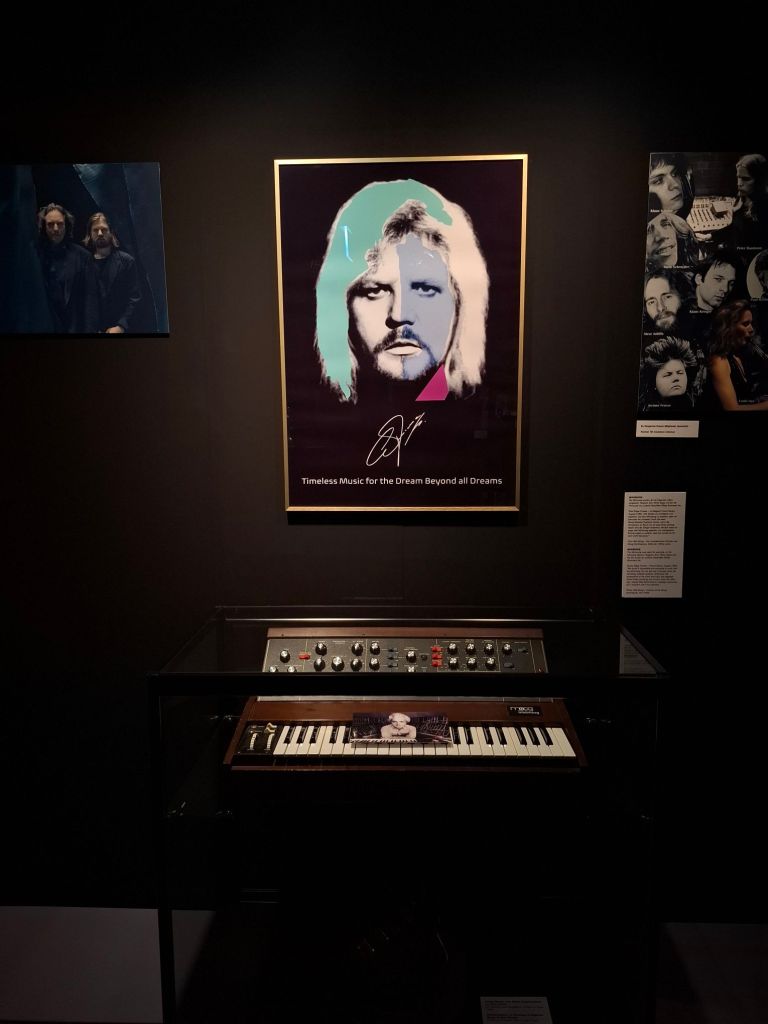
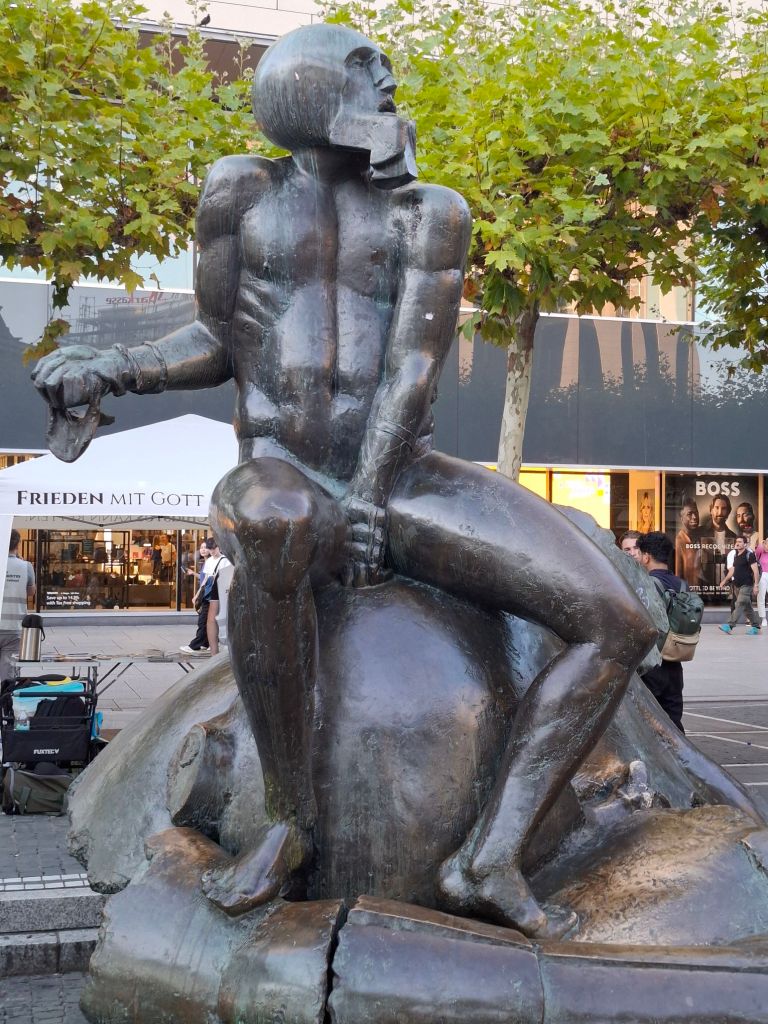
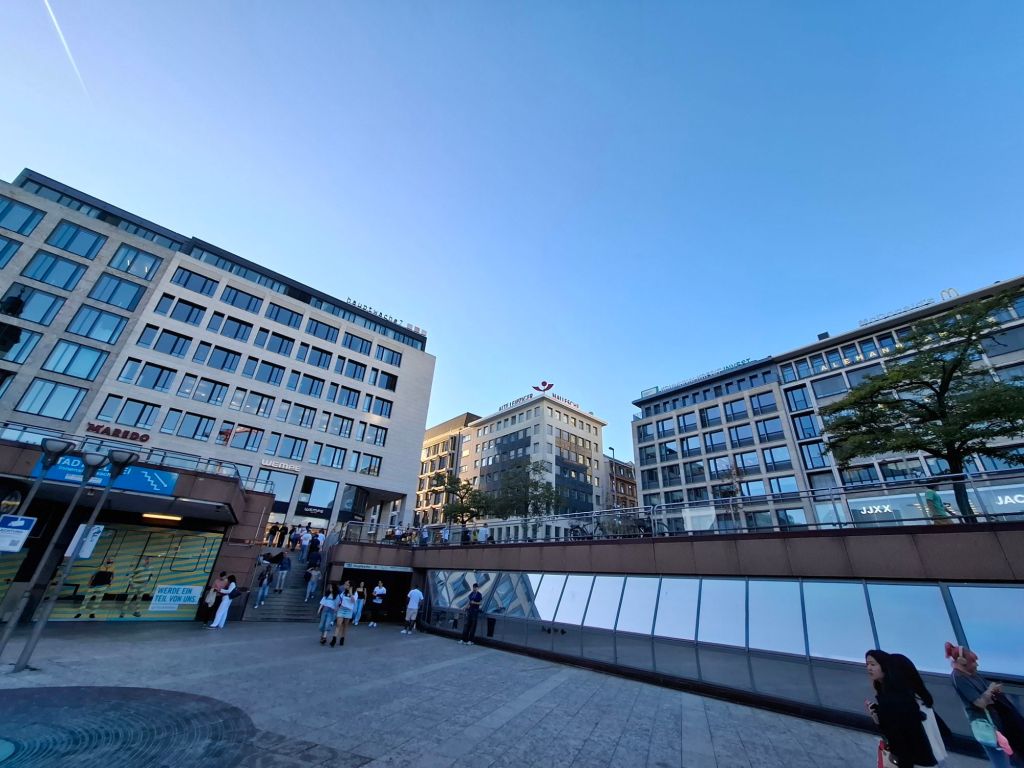
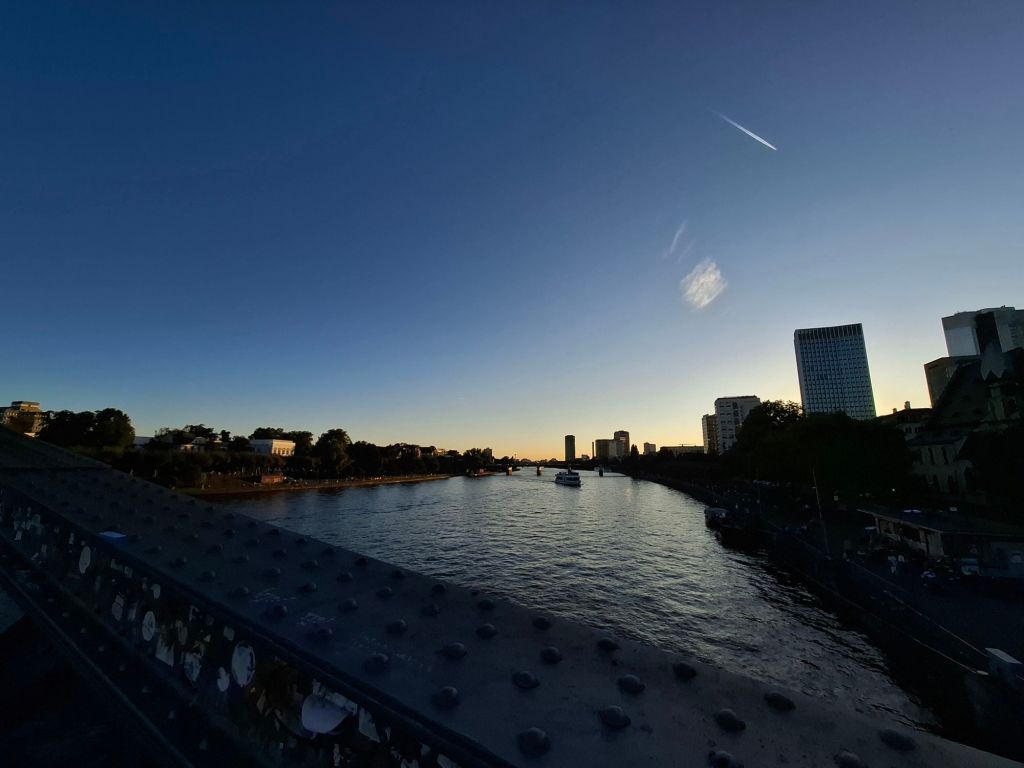
On my way back to India from Leipzig, I spent an evening in Frankfurt (19th Sept 2025). I arrived on an intercity train from Leipzig to Frankfurt in the late afternoon and had about 22 hours for my flight. I quickly checked into the hotel, did a bit of research online and picked a few places to visit in the evening. As suggested, I took a 1-day train ticket and went to Frankfurt Hauptwache, and visited the following places on foot: Museum of Modern Electronic Music, city center walkway, Iron Bridge, love locks on the bridge, walkway around the bridge, including a beautiful view of the sunset and cruise ship, the historical Römerberg that has statues of Minerva and the goddess of justice.

It was a long walk on a bright evening, and what a few hours of historical learning…pictures below.

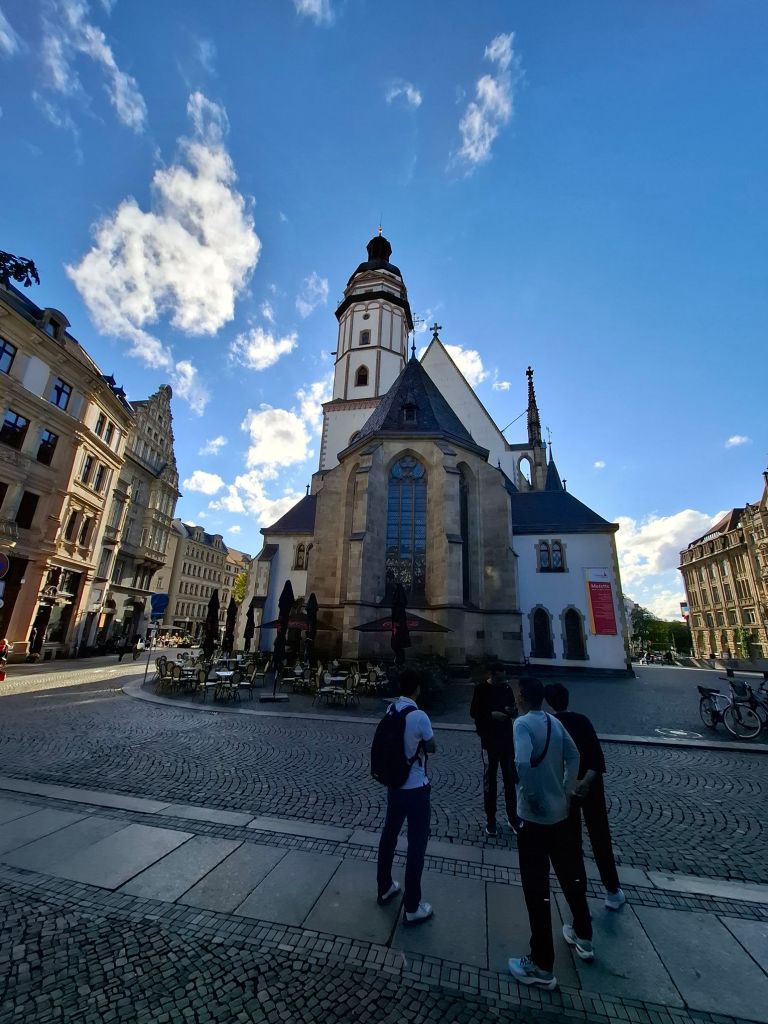
Bach @ Leipzig

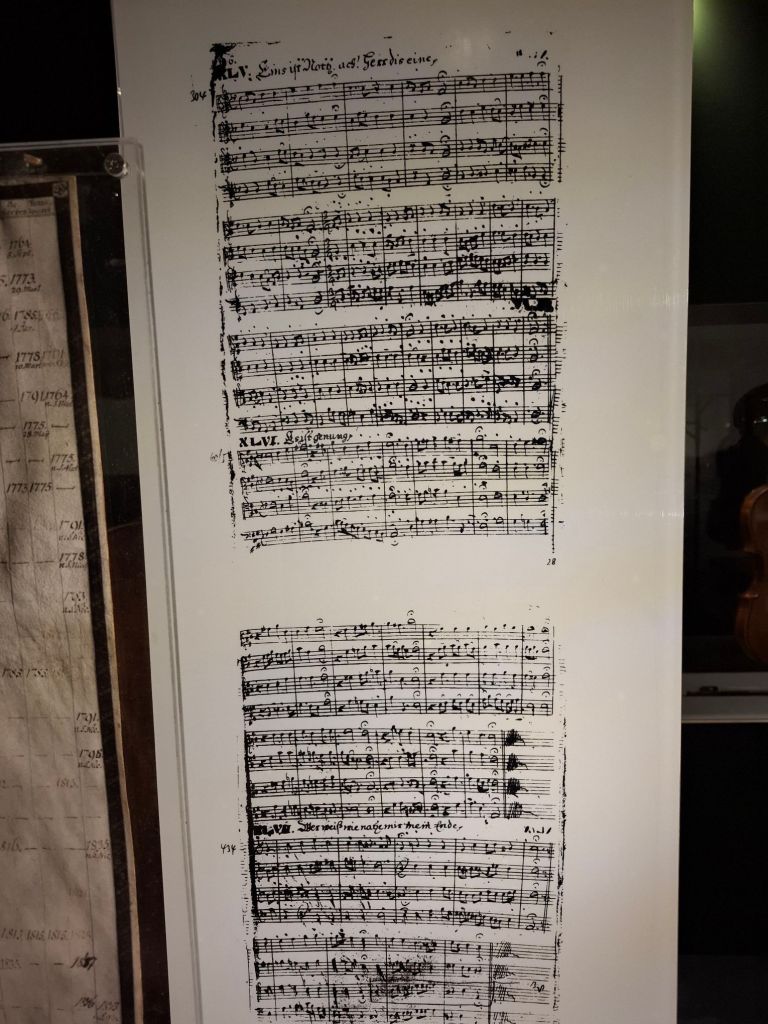
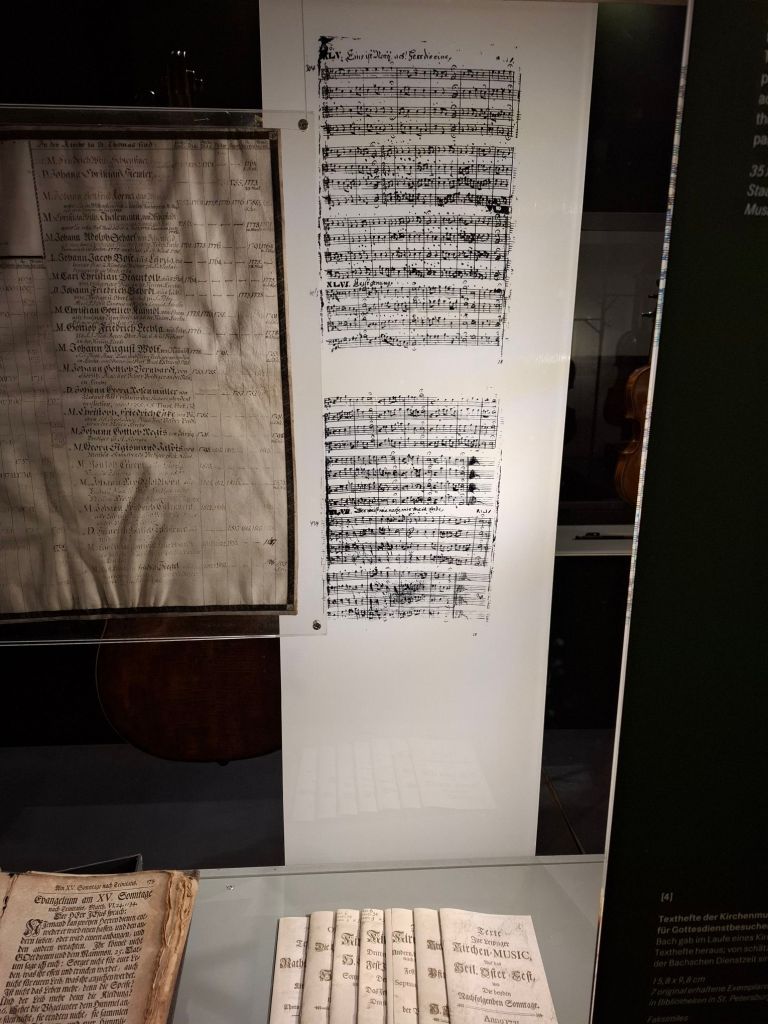
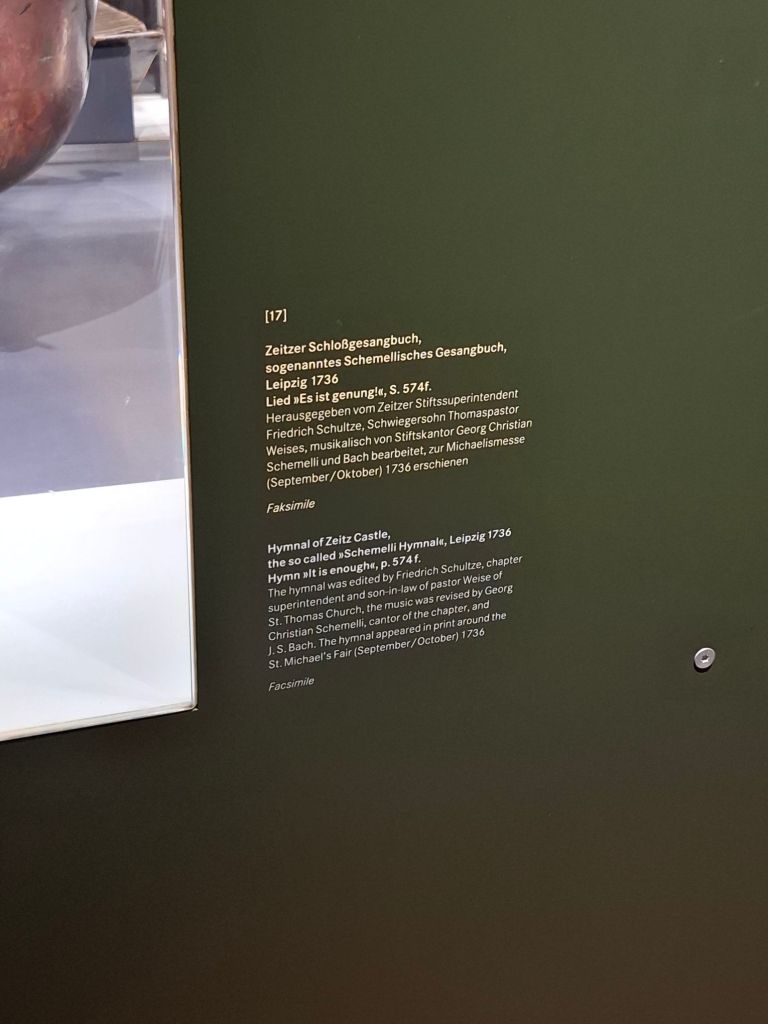
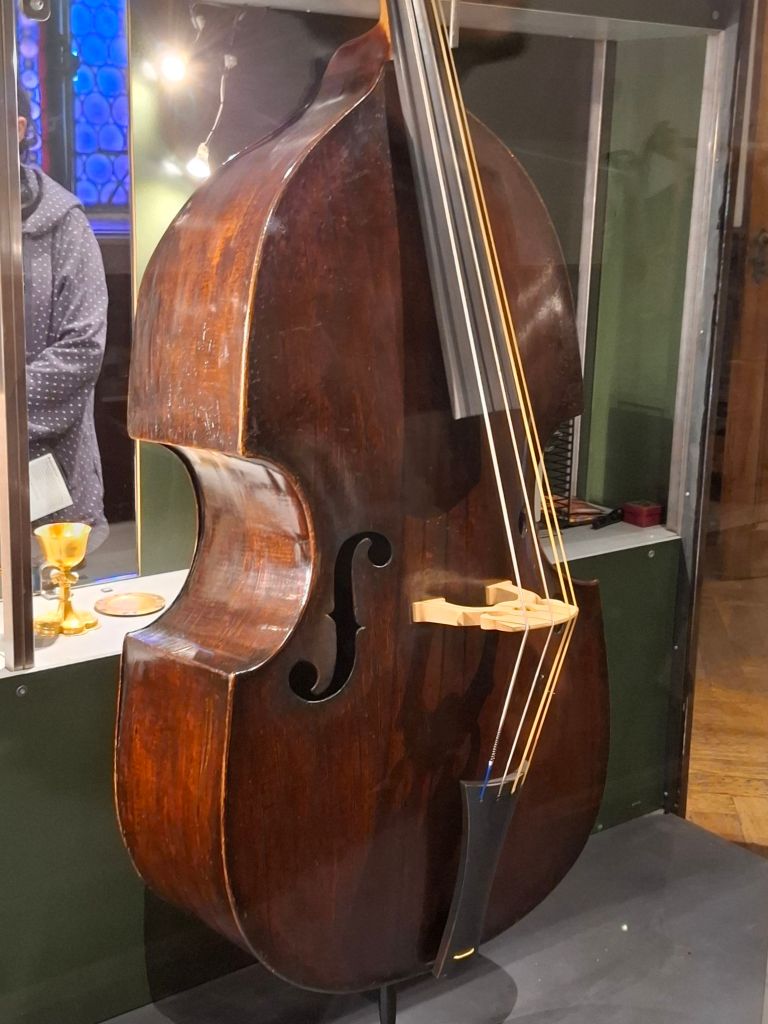
The musician Johann Sebastian Bach (1685 – 1750) has a major presence in Leipzig, Germany. As one walks across the streets of Leipzig, one will find Bach’s presence in the form of symbols and statues. His presence is felt both in the lavish churches and in the open markets, which indicates his influence in the period. A museum adjoining St. Thomas’ church has many musical instruments and notes that belonged to Bach. When I visited this place, the organ was being played, and the quality of the acoustics was excellent. Below are a few snapshots from the visit (15th Sept 2025).

Leipzig – where Heisenberg worked…

From 16th to 18th Sept, 2025, I attended and gave a talk at Optofluidix 2025, thanks to the invitation of Prof. Frank Cichos and his team, Department of Physics, University of Leipzig.

This department is steeped in history, and this post is to give you a pictorial glimpse of some people who worked there.

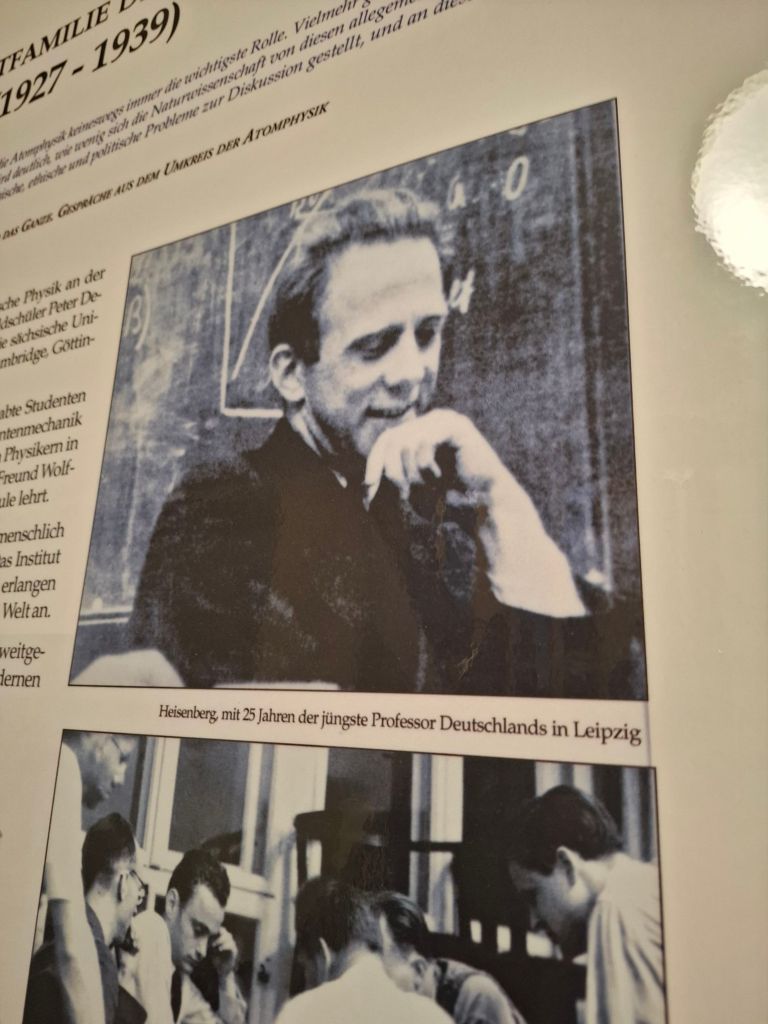
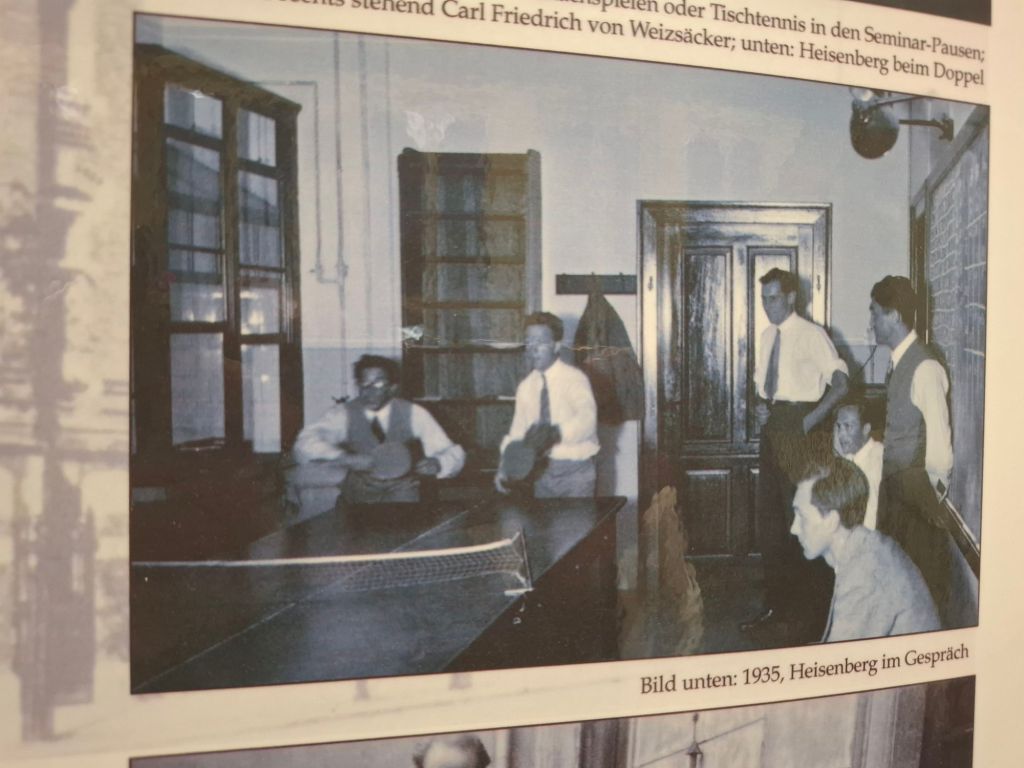
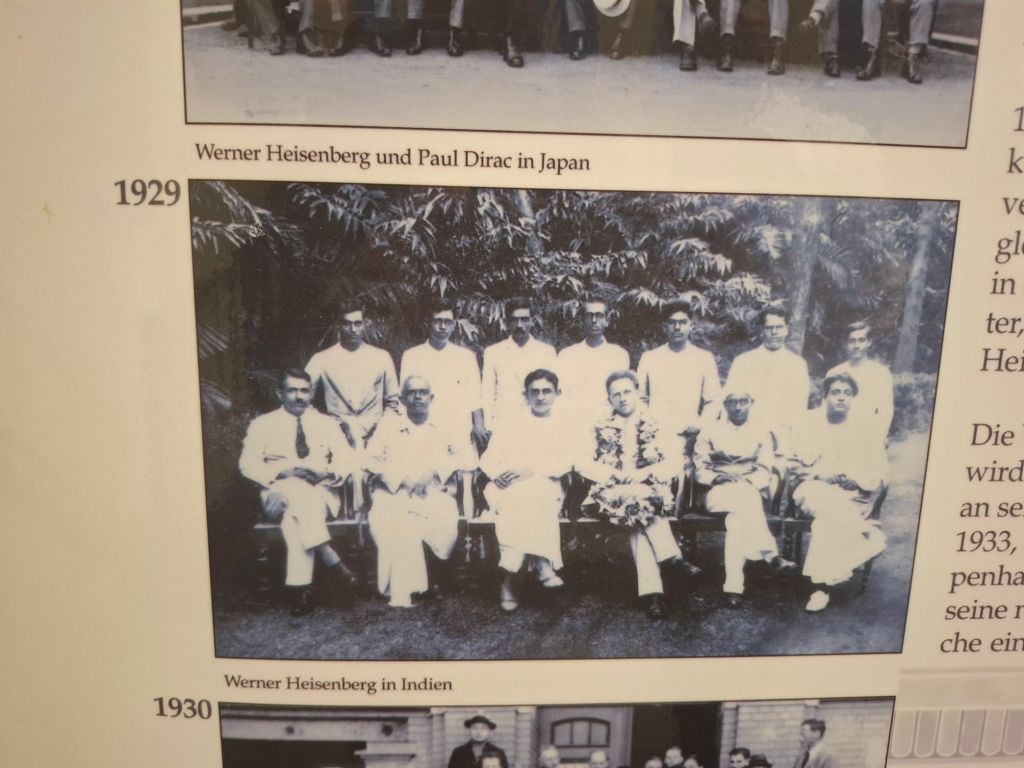
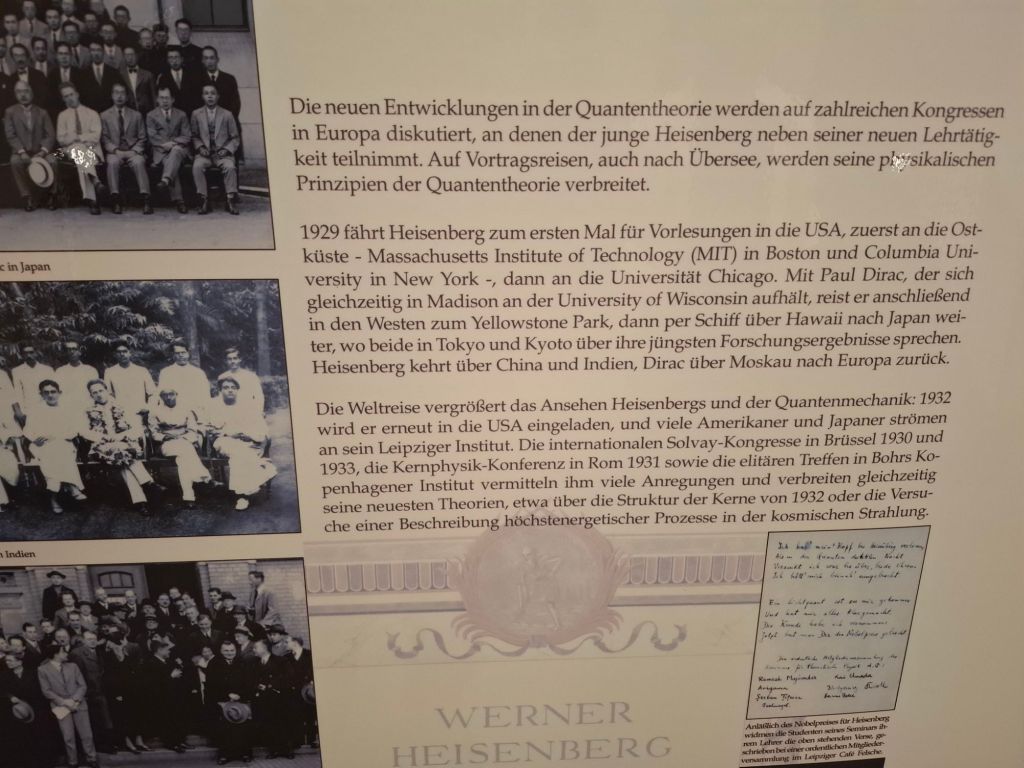
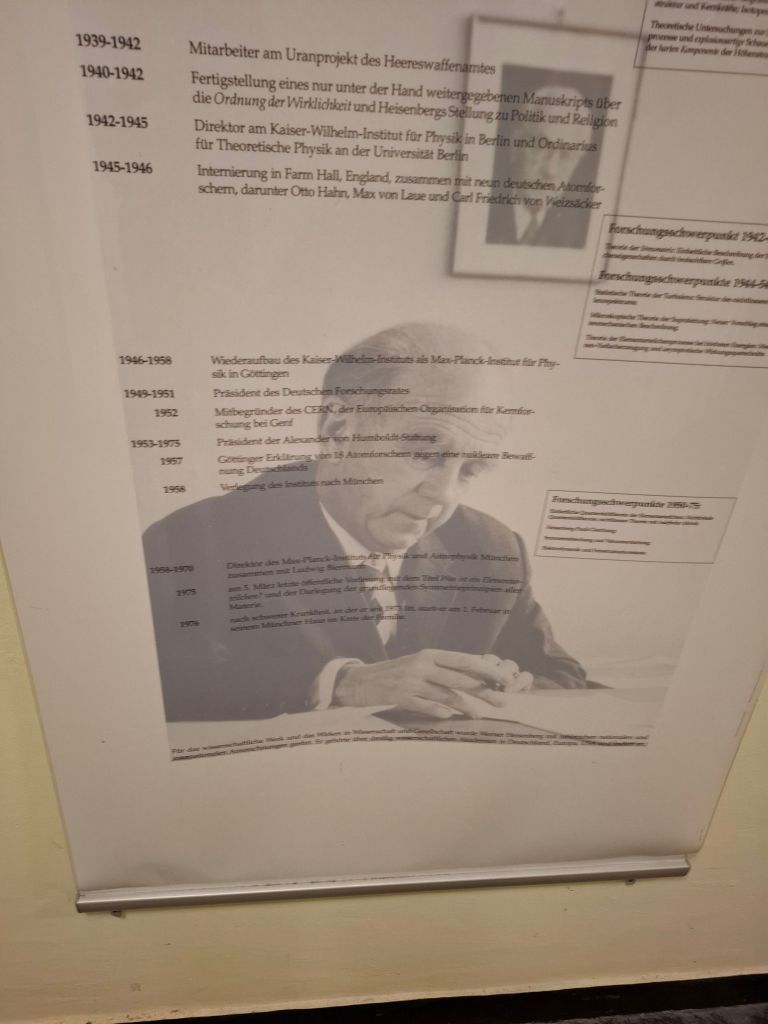
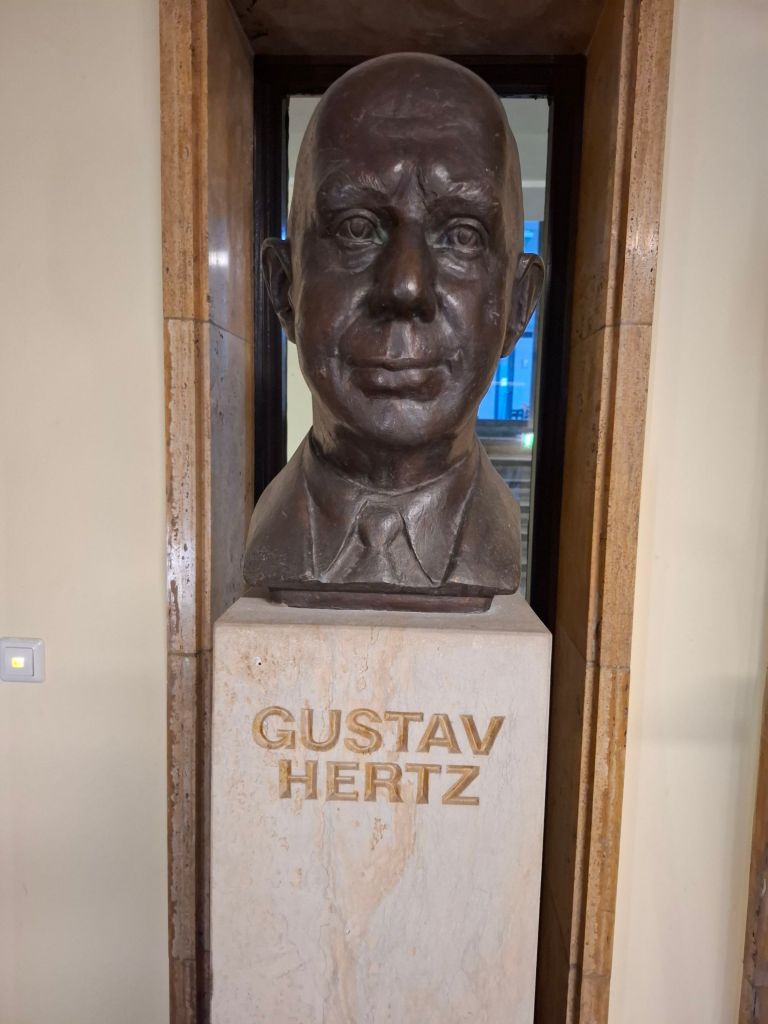
Werner Heisenberg, aged 25, became a Professor at the University of Leipzig, Germany. It was an illustrious department then, had professors such as Peter Debye, Gustav Hertz (of the Franck-Hertz experiment fame), Friedrich Hund and many others. Felix Bloch was a student of Heisenberg in Leipzig.

As the AIP archives describe, “Only 25 years old in October 1927, Heisenberg accepted appointment as professor of theoretical physics at the University of Leipzig, Germany. Friedrich Hund soon joined his former Göttingen colleague as Leipzig’s second professor of theoretical physics. Heisenberg headed the Institute for Theoretical Physics, which was a sub-section of the university’s Physics Institute, headed until 1936 by the experimentalist Peter Debye. Each of the three professors had his own students, assistants, postdocs, and laboratory technicians.”

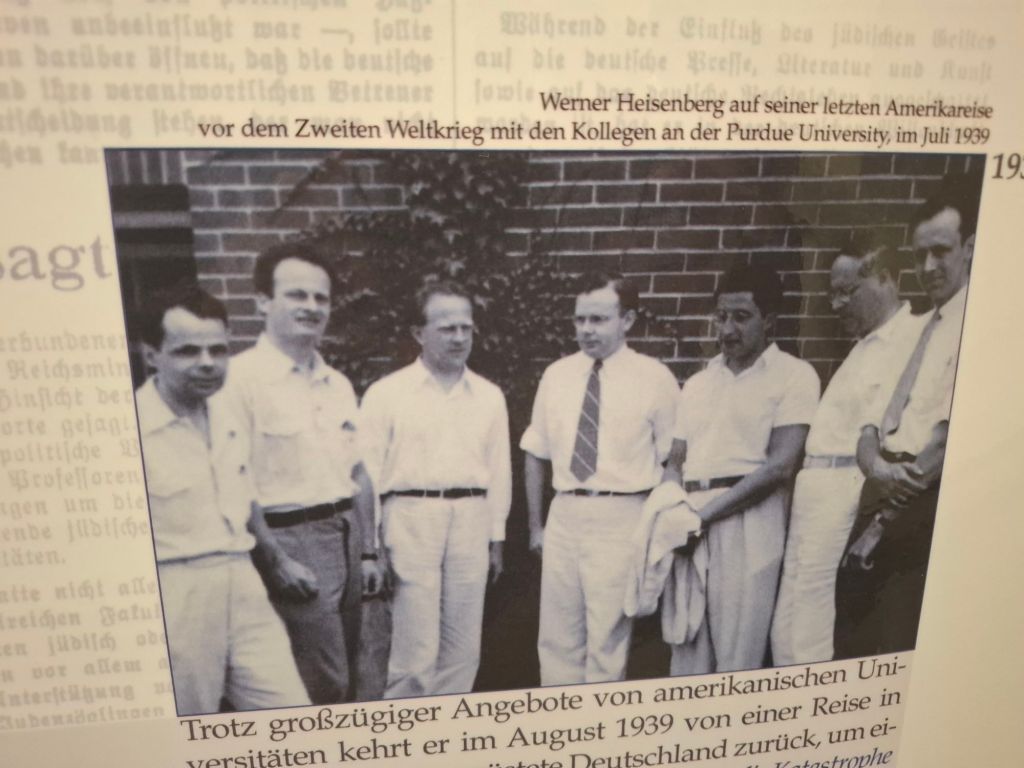
Below are a few snapshots that I took while visiting the department. Special thanks to Diptabrata Paul (my former PhD student and currently a post-doc in Cichos’ group) for showing me around the department.