Read it out loud…in the age of AI..
Your voice is part of who you are..
#philosophy of #reading in this age…
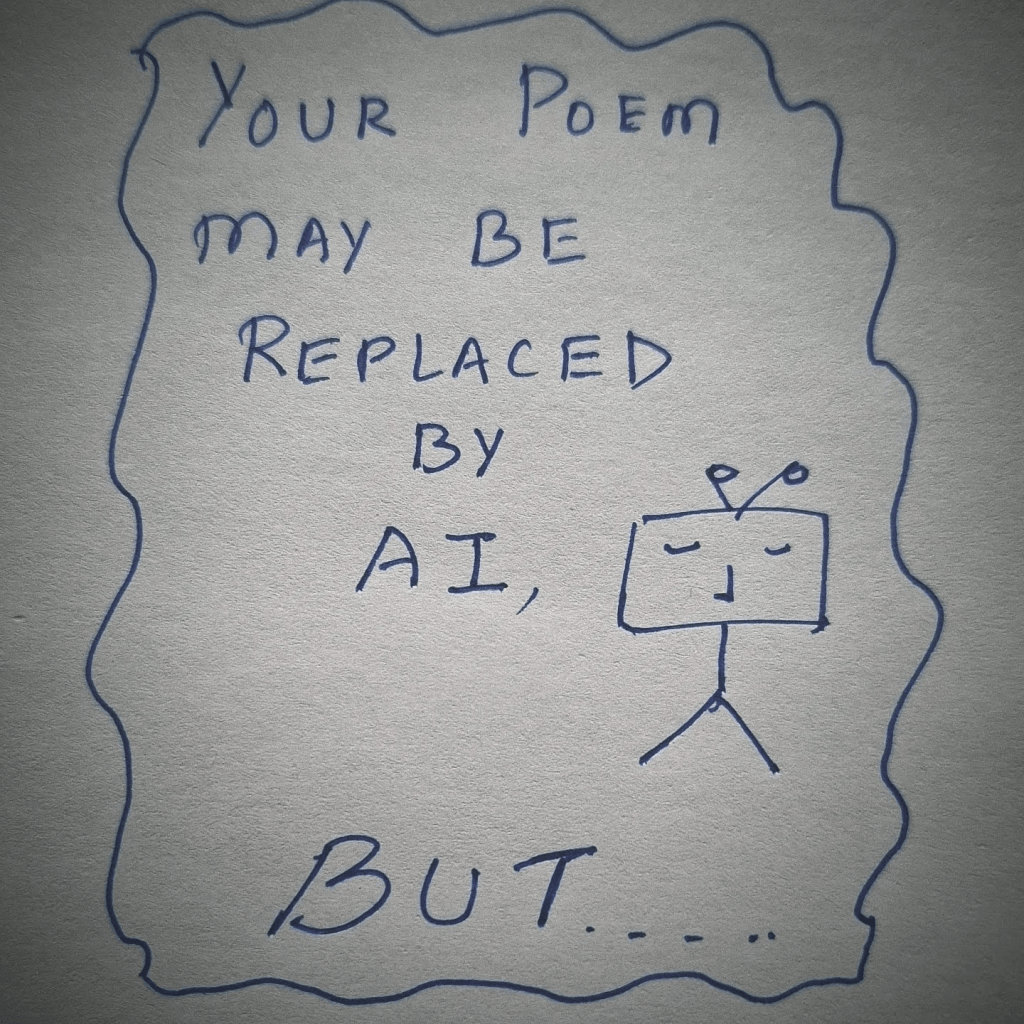
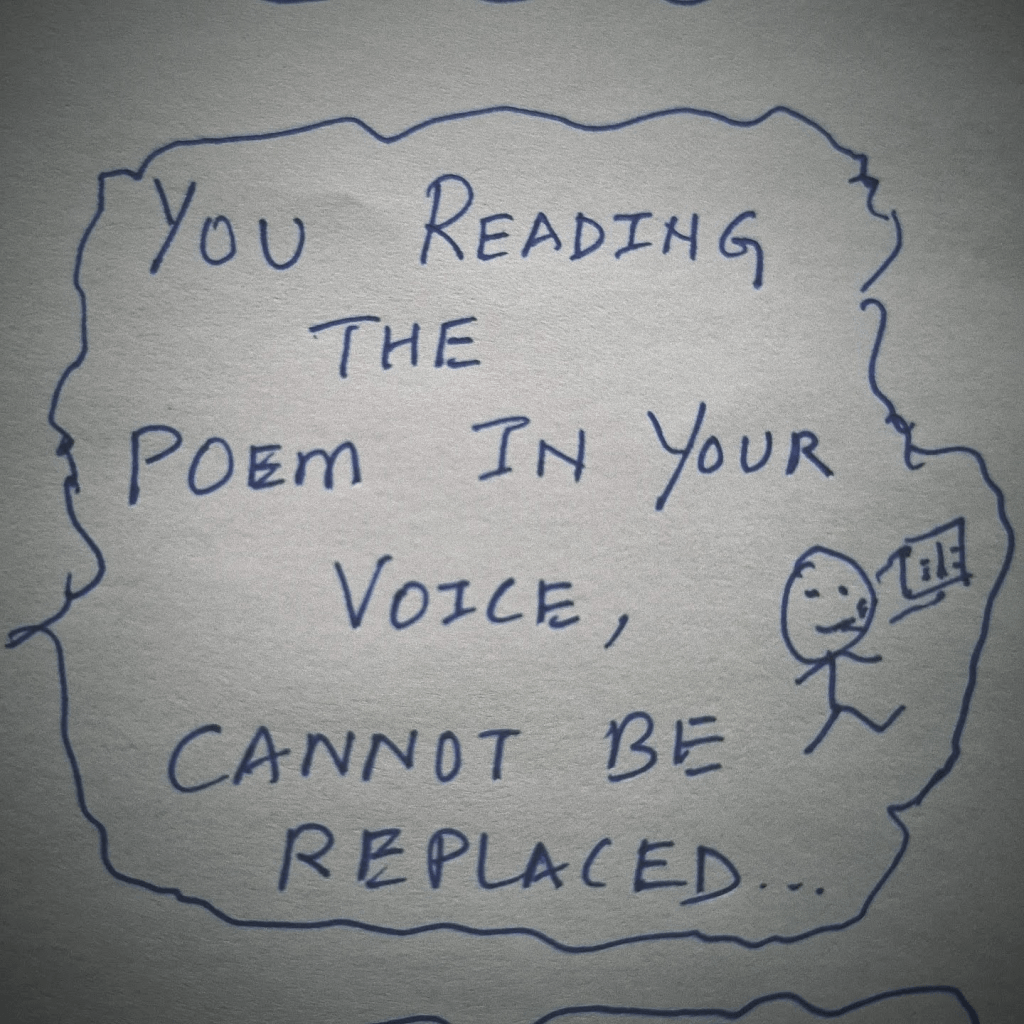
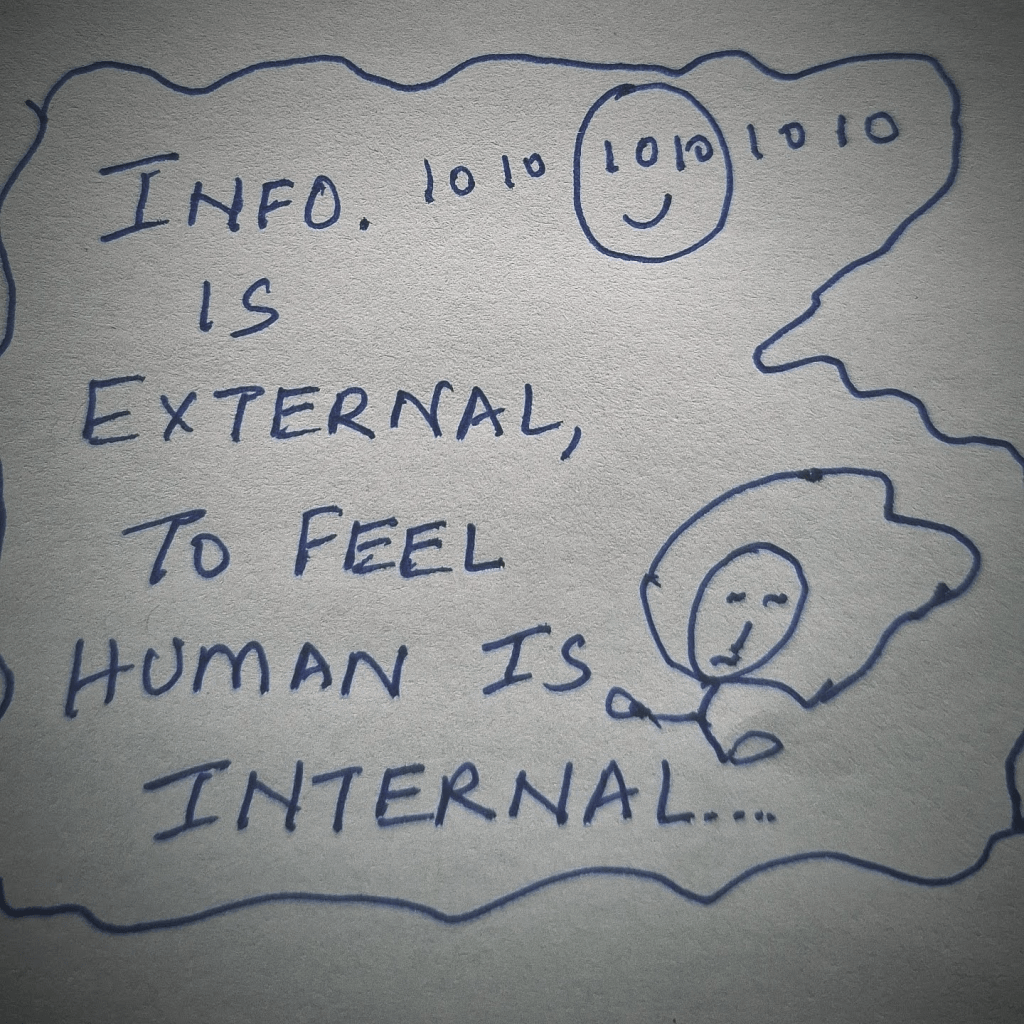
Read it out loud…in the age of AI..
Your voice is part of who you are..
#philosophy of #reading in this age…
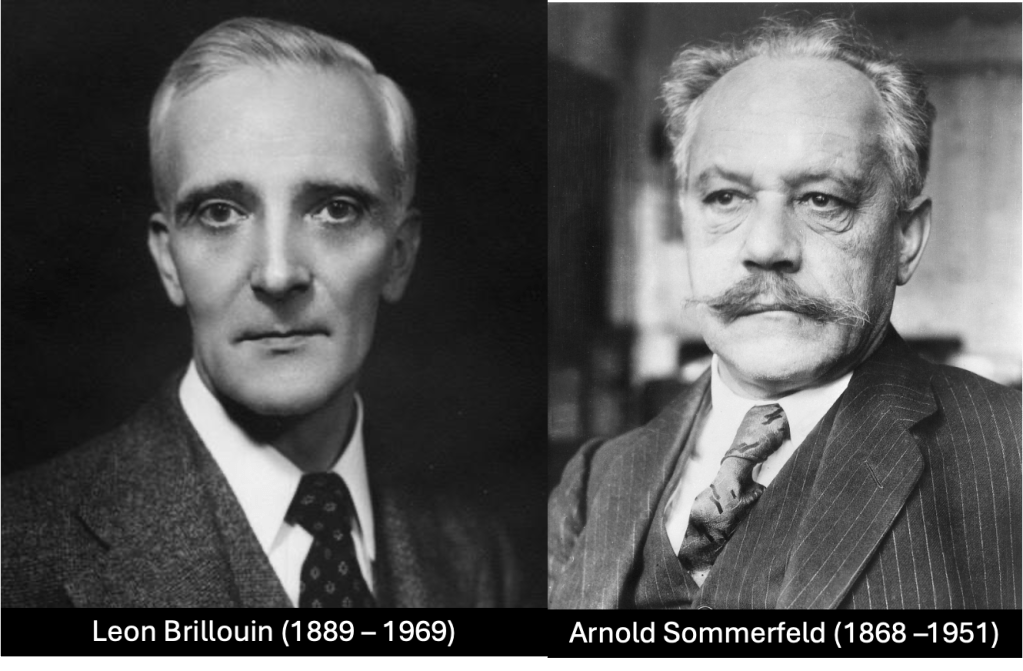
“Everybody wondered (and still wonders) why the Stockholm committee systematically ignored Sommerfeld’s pioneer work in modern physics. Such an omission is actually impossible to understand.”
Leon Brillouin, in the foreword of his book WAVE PROPAGATION AND GROUP VELOCITY (1959)
Brillouin further mentions the teachers who taught him, and rates Sommerfeld among the best:
“I had the great privilege of attending, as a student, lectures given by some prominent physicists, such as H. A. Lorentz, H. Poincaré, and P. Langevin. But I was especially impressed by Sommerfeld’s mastery as a teacher.“
Srubabati Goswami is a pioneering Indian physicist specializing in high-energy physics, particularly neutrino physics. She is probably the first Indian woman to earn a PhD in neutrino oscillations from the University of Calcutta. She advanced research at Physical Research Laboratory, Ahmedabad (PRL), Saha Institute of Nuclear Physics, and Harish-Chandra Research Institute before becoming Senior Professor at PRL. A fellow of India’s three science academies, she unravels neutrino mysteries and champions women in science.
In this episode, we explored her intellectual history and her remarkable journey as a physicist.
References:

In reference to a recent article on higher education in the Economic Times, a well-known tech entrepreneur and philanthropist wrote the following on X/Twitter: “75% of Indian higher education institutions still not industry-ready. Lot of work left to transform. But the 21st century requires education, research, innovation, and startups as four pillars of a university.”
This is a thought I do support, but I think there is one more important meta-pillar, perhaps a ‘foundation’ on which all these pillars are standing, and that is called ethics. Below are five aspects of ethics that I think need further attention.
There is an inherent connection between cooperation and trust, and that is founded on an ethical principle. The world requires an ethical recap, and it should be part of individuals, institutions, and governments. There is a rich history of ethics in all the cultures across the world, and it is worth revisiting them in a new light. Perhaps it is high time that we “Make Ethics Great Again.”
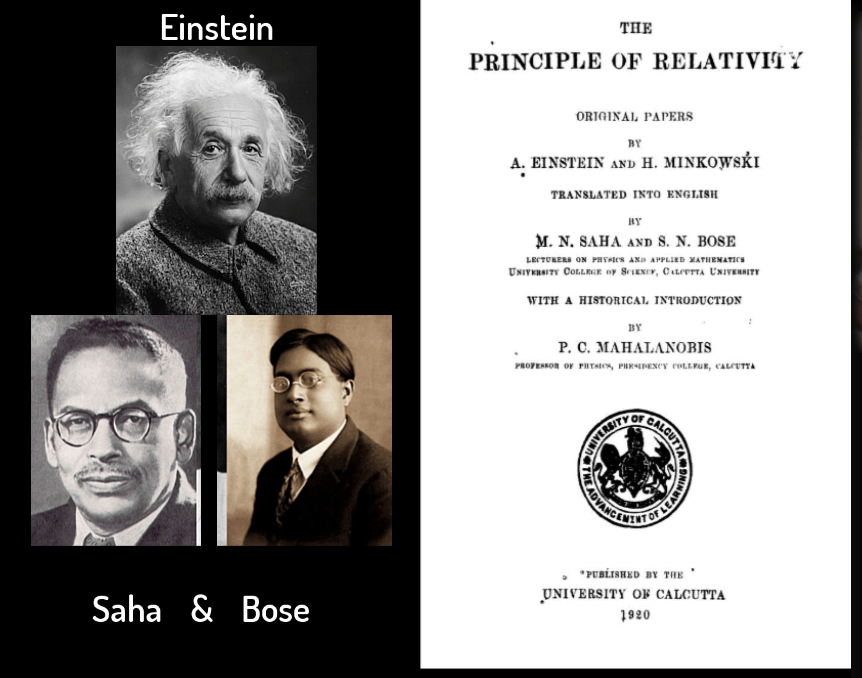
In physics, the general theory of relativity is one of the most remarkable achievements. It has turned out to be one of the most profound theories in the history of physics. In 1916, Albert Einstein proposed this theory, and it was confirmed in 1919.
Right after this confirmation, around 1920, two Indian gentlemen named Satyendranath Bose and Meghnad Saha translated Einstein’s German work into English. What you are seeing as an image is the remarkable book Principles of Relativity, containing the original papers by Einstein and Minkowski. This translation was done by M.N. Saha and S. N. Bose, who were then at the University College of Science, Calcutta University. It was published in 1920 by the University of Calcutta.
The book also contains a historical introduction by Mahalanobis, the celebrated statistician, although he was originally trained as a physicist himself. This historical introduction is itself quite remarkable.
If you look at the table of contents of this book, you will find the following:
The historical introduction discusses the evolution of ideas that led to the fruition of the general theory of relativity. This turned out to be one of the most important expositions of the general theory of relativity, soon after the emergence of the theory and its subsequent confirmation by Eddington through his famous solar eclipse expedition. This is a remarkable document, and it is available on the Internet Archive.
based on my blog.
Yesterday evening (10th Jan 2026), Shubhanshu Shukla, the recent Indian astronaut, was at IISER Pune as part of the ‘India Science Festival’. There was a huge crowd gathered to see and listen to him. Within IISER, it is rare to see such a massive gathering for a science event, and it was heartening to witness this on a Saturday evening. Thanks to schools and colleges in Pune, science and science-related activities get traction from the people of Pune (especially younger people). They enthusiastically participate in many events related to science.
Such a gathering is very important for at least three reasons:
I would want to emphasize four other points:
Let me conclude with a word of appreciation for Pune city. It is not a capital city, but its enthusiasm for intellectual pursuits is high, and it attracts a lot of enterprising people (recently, there was a public policy conference that had some amazing people). If it can get a lift in its public infrastructure, it can create its own path in the landscape of science and technology.
Jan 2026 – Apr 2026 – I am teaching a course on Quantum Optics. Below you will find some random thoughts and notes related to my reading. I will be updating the list as I go along the semester. You can add your comments below.
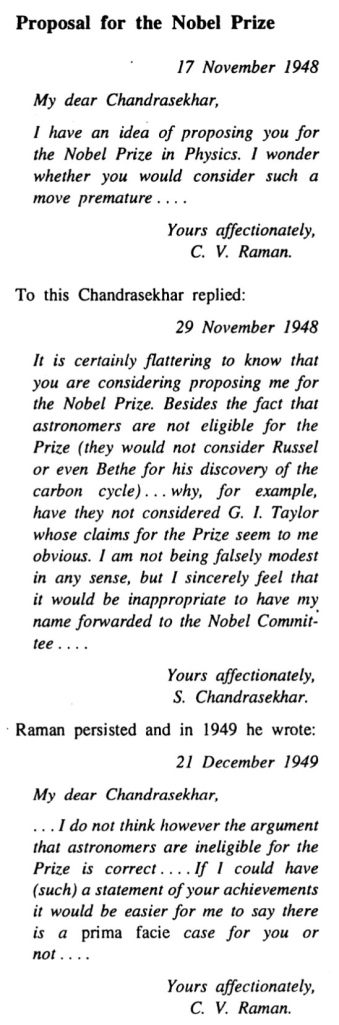
 VISMAYA - History & Philosophy of Physics